Foundations
AI Command Center for Business
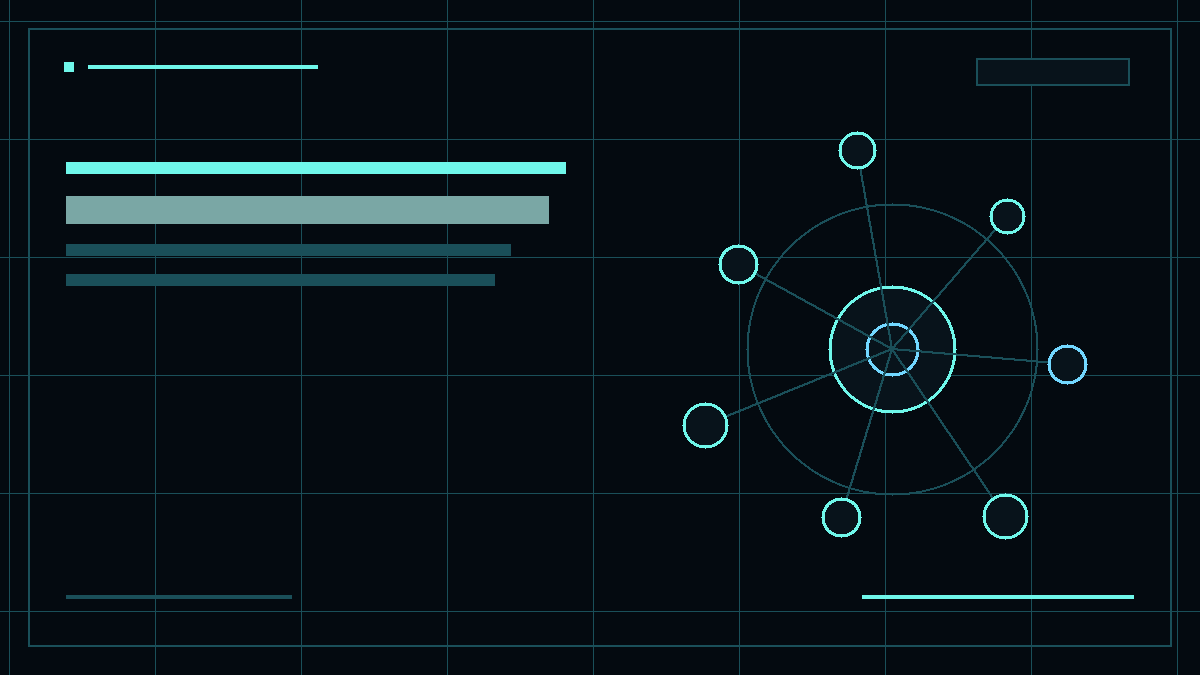
AI Command Center for Business explains how buyers and operators learning how OmegaOS product-line operating systems work together can connect Forge, Hermes, Aureus, Mnemosyne, Vortex, Agora, and Vita to company outcomes while preserving the OmegaOS evidence and authority boundary.
hermes-growthpillar:pillar-09-product-line-os-educationcluster:cluster:pillar-09-product-line-os-education:01cockpitexecutivestudio